Insights
All market insights
Analysis of the Australian and New Zealand building materials market for international manufacturers.
Market InsightsMarket Outlook
There is no single Australian building code in force, the market is smaller and more concentrated than it looks, and specification happens months before procurement.
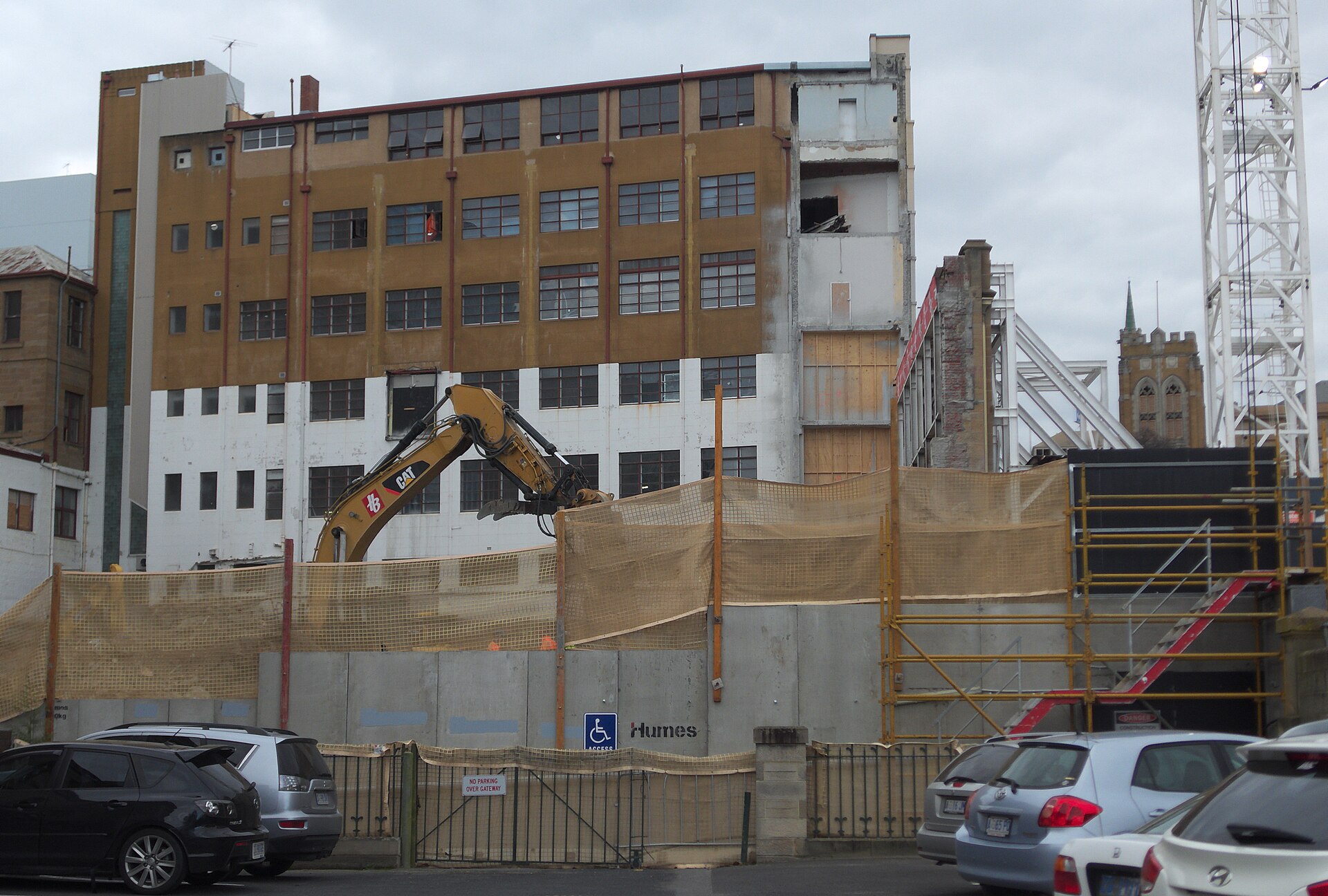
Australia is a market that looks familiar from the outside and behaves quite differently once you are inside it. It shares a language, a legal tradition and a broad construction culture with the markets most international manufacturers already sell into. Then it turns out to be small, highly concentrated, regulated state by state, and built on relationships that took decades to form.
Here is what we think an export director should understand before committing capital.
This is the structural fact that surprises people most, and it has direct commercial consequences.
The National Construction Code is written nationally by the Australian Building Codes Board, but it has no legal force of its own. It is given effect by each state and territory adopting it into their own regulatory framework, and they do not adopt on the same date.
NCC 2025 was published on 1 May 2026. It is not in force everywhere. According to the ABCB’s own adoption table, the Australian Capital Territory, Victoria, Tasmania and Western Australia moved on 1 May 2026, with the ACT and WA inside twelve month transitions. New South Wales and Queensland do not adopt until 1 May 2027. South Australia split it: plumbing provisions from 1 May 2026 and building provisions a year later. The Northern Territory has not adopted it.
So a product submission built against NCC 2025 requirements may be assessed against NCC 2022 Amendment 2 in the two largest states by construction value. Anyone who tells you flatly that “the current code is NCC 2025” is describing something that is not true across most of the country. Check the edition in force in your target jurisdiction, and check it against the ABCB’s published table rather than an industry summary, because the summaries conflict with each other.
Australia has roughly the population of a mid-sized European country spread across a continent. Two consequences follow.
First, the number of people who matter is small. In any given product category there is a limited set of specifying engineers, a limited set of distributors with real reach, and a handful of tier one contractors. They know each other. A poor first impression circulates faster than it would in a large market, and so does a good one.
Second, logistics are a genuine cost line rather than a footnote. The distance between major cities is substantial, and a distribution strategy that works in a compact market does not transfer. Stocking decisions, lead times and freight all shape whether your product can compete on total delivered cost rather than list price.
In most of the commercial and institutional market, the product decision is effectively made when it is written into a specification, which happens months before anyone is asked to quote. By procurement stage the contest is usually about price against a named product or an approved equivalent.
For an importer this is the difference between a viable strategy and an expensive one. Marketing aimed at procurement arrives after the decision. Getting into the document requires a relationship with the consulting engineers and architects who write it, and that relationship is built through technical credibility rather than commercial contact.
Construction activity in Australia is not one market. Detached housing, medium density residential, commercial fit-out, industrial, institutional and civil infrastructure all move on different cycles and are driven by different things: interest rates and household formation at one end, government infrastructure programmes and institutional capital at the other.
A manufacturer’s real question is not whether Australian construction is growing. It is whether the specific segment that buys their product is growing, and whether their product can reach it through a channel that exists. Those are answerable questions, and answering them properly is considerably cheaper than discovering the answer through a failed entry.
None of these are reasons not to enter. They are the reasons entry takes longer than the plan usually assumes, and they are all knowable in advance.
Insights
Analysis of the Australian and New Zealand building materials market for international manufacturers.
Market InsightsRegulatory
How evidence of suitability actually works here, and why overseas test data changes your approval route.
Standards & ComplianceStrategy & Execution
A structured, risk-managed pathway into Australia and New Zealand, from research to first revenue.
Market Entry & ExpansionBook a free 45-minute strategy call for a frank read on your opportunity in Australia and New Zealand: the compliance path, the channel reality and an honest timeline to revenue.